Solve Tenant Issues with Better Lease Agreements
Real Estate, Housing Providers, Lease Agreements
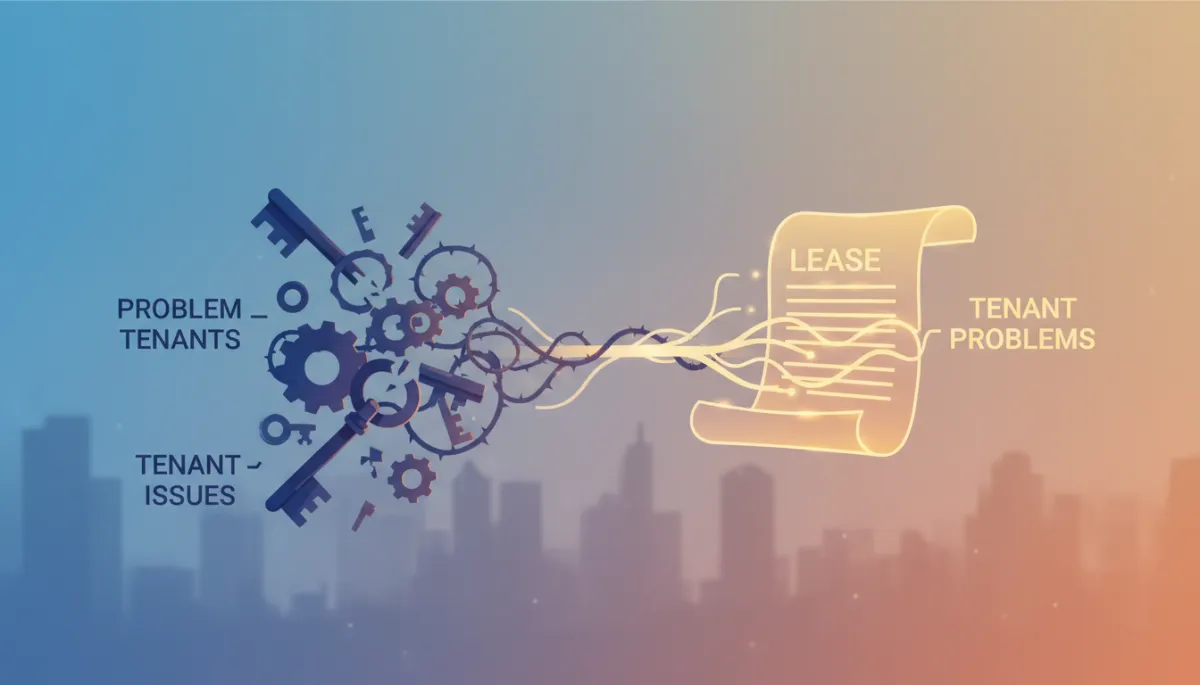
When “Problem Tenants” Are Really Problem Leases
Many housing providers swap stories about “problem tenants,” but in practice, the root cause is often a vague, outdated, or inconsistent lease agreement. Tightening your paperwork can dramatically reduce tenant issues and rental problems before they ever reach your doorstep.
Why “Problem Tenants” Often Start With Problem Documents
Housing providers typically use the phrase problem tenants to describe late payers, noisy neighbors, or residents who push every boundary. But when you look closely at many of these situations, you’ll find a common thread: the lease agreement never clearly defined the expectations, consequences, or processes in the first place. In other words, it’s not just a tenant problem; it’s a problem lease.
At BRICHAUS GROUP, we see lease agreements as operating manuals for the property. When those manuals are incomplete, unclear, or copied from a generic template without thoughtful customization, it creates friction for both sides. The tenant believes they are acting reasonably; the housing provider believes the opposite. The gap between those perspectives is almost always written (or not written) into the lease.
Common Tenant Issues That Trace Back to the Lease
Late or partial rent payments: If your lease doesn’t spell out due dates, grace periods, late fees, and escalation steps, you’ll see more rental problems and inconsistent payments.
Noise and nuisance complaints: Vague language about “quiet enjoyment” without specific quiet hours, guest policies, or enforcement tools leaves both you and neighboring residents frustrated.
Unauthorized occupants or pets: If the lease doesn’t clearly define who may live in the unit, how long guests can stay, or what pet rules apply, enforcement becomes subjective and contentious.
Maintenance and repair disputes: Ambiguous responsibility for minor repairs, yard care, or filter changes leads to standoffs and premature wear on your asset.
In each of these cases, the behavior we label as a tenant issue can often be anticipated and addressed through more deliberate lease language and a consistent onboarding process. When expectations are specific and written, you spend less time arguing and more time operating.

Clear, detailed leases give housing providers a calm framework for resolving rental problems.
Strengthening Lease Agreements Without Overcomplicating Them
A strong lease agreement does not need to be a hundred-page document written in dense legalese. For most housing providers, the goal is a practical, readable contract that protects the asset, respects tenant rights, and supports consistent operations across the portfolio. Consider tightening these areas:
Payment structure and consequences: Specify rent amount, due date, acceptable payment methods, late fees, NSF fees, and the exact timeline for notices. This reduces emotional conversations and anchors everything in the lease.
Use of premises and conduct standards: Define noise expectations, smoking rules, parking, common-area use, and any building policies. The more concrete the examples, the easier it is to enforce fairly.
Maintenance responsibilities: Clarify who handles minor repairs, lawn care, snow removal, and filter or battery changes, and how work orders should be submitted. This protects both your investment and your time.
Communication and notices: State how official notices are delivered, how tenants can reach management, and expected response times. Clear channels reduce frustration and misunderstandings.
💡 Pro Tip for Housing Providers: Walk through the lease with new residents line by line. A 20-minute conversation at move-in can prevent months of avoidable tenant issues later.
Balancing Tenant Rights With Operational Discipline
Modern housing providers operate in an environment of increasing regulation and heightened awareness of tenant rights. Well-crafted lease agreements should not attempt to sidestep those rights; instead, they should reflect current law and provide a transparent framework for both parties. When residents understand their protections and obligations, they are more likely to engage in good faith and less likely to become what we casually call “problem tenants.”
BRICHAUS GROUP’s approach is to align our leases with local regulations, fair housing standards, and ethical practices, then layer on operational discipline and technology. Digital documentation, time-stamped communications, and consistent processes create a record that protects both owner and resident. This structure allows us to address real rental problems quickly and professionally, without relying on emotion or memory.
From Reactive to Proactive: Rethinking “Problem Tenants”
When you reframe “problem tenants” as signals of a weak or inconsistent leasing process, you regain control. Instead of waiting for the next conflict, you can audit your documents, tighten your language, and standardize your procedures. Over time, you’ll notice fewer surprise disputes, smoother renewals, and more predictable cash flow—exactly the outcomes long-term real estate investors and partners value most.
For housing providers who view their portfolios as long-term businesses rather than short-term transactions, better leases are not just paperwork; they are core infrastructure. They protect your assets, support your residents, and reinforce your brand as a disciplined, trustworthy operator.
Partnering With a Team That Treats Leases as Strategy
BRICHAUS GROUP works with property owners and investors who share a long-term view of real estate. Our team combines operational discipline, advisory depth, and technology to design lease agreements and management processes that minimize tenant issues and align with your growth strategy. If you’re tired of feeling like every new resident could turn into a “problem tenant,” it may be time to upgrade the system, not just the screening criteria.
Schedule a conversation with BRICHAUS GROUP to review your current lease framework, identify pressure points, and explore how a more deliberate, technology-enabled approach can reduce rental problems and build long-term value across your portfolio.